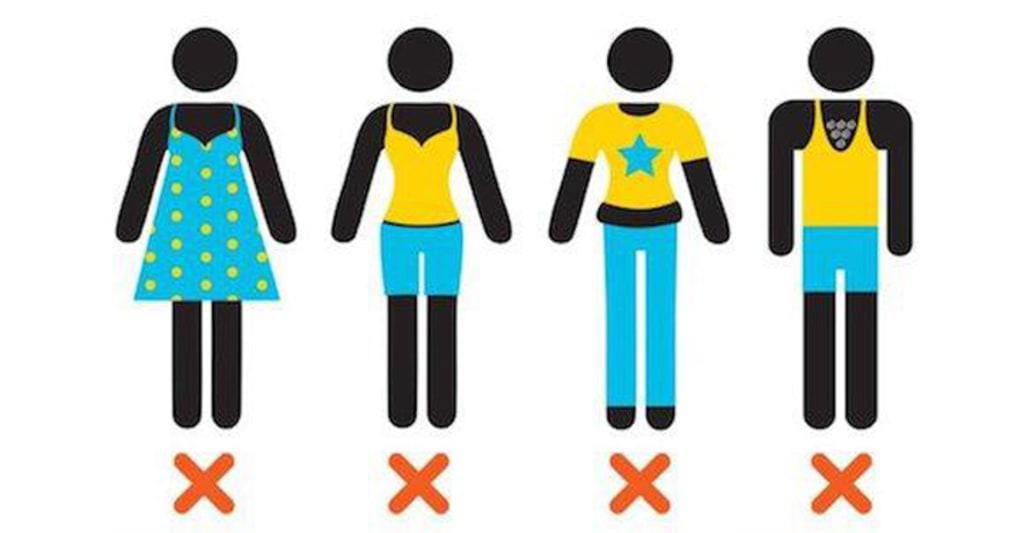

What exactly is a Dress Code?
Dress Code (noun): a set of rules for what you can wear
The dictionary definition of dress code pertains to wearing a certain set of clothing that has been deemed appropriate by the authority designing the code. Furthermore, who exactly is this authority? and on what grounds has it decided on what is “appropriate” and what isn’t?
Dress code, in itself, is a social construct and varies greatly from place to place. Moreover, the majority of the time, dress codes have targeted women; often used as a means of discriminating against them. Furthermore, it is visible in a country like ours that derives most, if not all, of its rules and regulations from a religious perspective. Additionally, there is a stigma surrounding the discussion of women being able to wear what they want. Furthermore, this topic is seen as indecent and obscene. Why? What is so harmful about wanting to express your individuality through your choice of clothing? Why are women who chose to rebel against the unfairness of dress code are looked down upon?
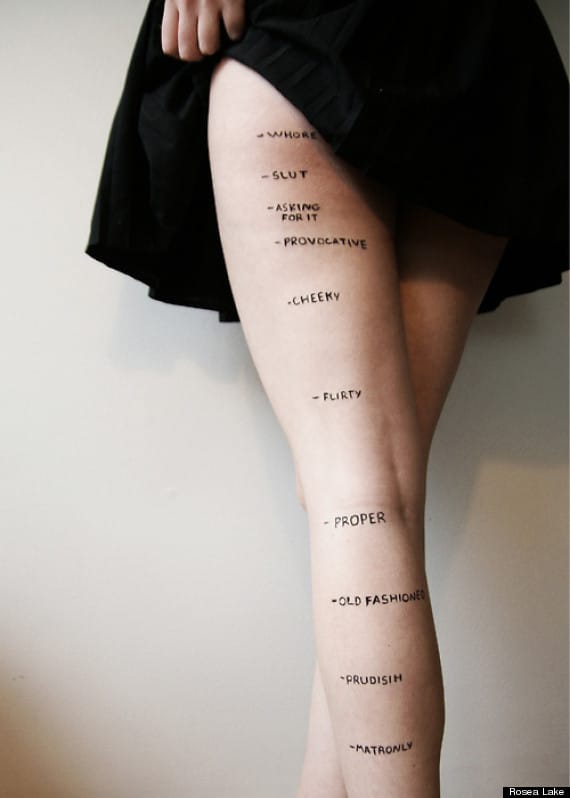
Moreover, our country is home to people belonging to various ethnic and religious groups. It is simply unjust to categorize a certain norm as “correct” or “incorrect”. Freedom of expression is a right that everyone deserves, be it a Muslim, a Hindu, a Punjabi, a Sindhi etc. Clothing is a medium through which one can choose to express themselves.
The need for Dress Code?
Moving on with the discussion of why the female dress code has been such a controversial topic of debate. The most common argument is that the code was enforced to “protect women”. Furthermore, the argument states that it is to keep women safe from the male gaze and to prevent harassment. Sorry (not really) to say but this argument is one that is highly flawed and has been proven wrong at many occasions. Moreover, the clothing of the victim of harassment has NO role to play in the harasser’s actions.
Forcing women to don themselves in Burqas so as to protect themselves is highly nonsensical. Moreover, there are a few clowns out there who believe that women taking the reins on dressing however they want will diminish the ethical code of their institutes. Keeping rationale and the diversity of our country in mind, it is unfair to force women to fit into one particular mold.
Conclusion
Furthermore, most of the time, women are made to feel inferior if they do not silently accept the forceful nature of this code. If they chose to rebel, they are regarded as women with “no character”. Many of my female peers have often complained about the dress code and how it adds no value to the quality of education. Despite this, it is enforced as if it will bring about a momentous change. Moreover, being forced to tie their hair into tight braids to having to pay a fine for putting the slightest hint of lip-gloss on, I can safely say that I and most of my peers are sick and tired of this seemingly “helpful” code.


