
Social media manifested its power by having a great impact on democracy in the events of Arab Spring 2012. However, with advancing technology, social media has grown to manipulate public opinions and choices. As a result, it has negatively affected the democratic orders around the globe.
Social media and democracy in a nutshell
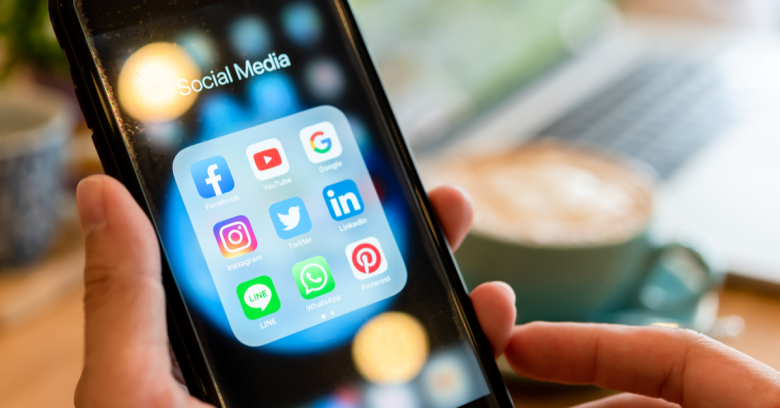
Social media is different than the mainstream media. The former is a platform that enables people to interact virtually around the world. Social media includes Facebook, WhatsApp, YouTube, Instagram, and etc. While on the other hand, the latter is a conventional form of media such as television, radio, and newspapers.
The concept of democracy is based on the idea of government chosen by the public through elections and voting. In other words, it stands for self-government, right to vote, equality, basic human rights protection, transparency, rule of law, and political tolerance. However, the recent events in world politics reveal that social media has a negative effect on the tenets of democracy.

How social media impacts democracy
During the Arab Spring 2012 and the Turkish military coup 2016 social media played a huge part in restoring democracy principles. However, the widespread use of social media has proven to be equally harmful to democracy.

Social media shapes public opinions to manipulate voters’ choice
Social media shapes “public opinions”. To fulfill self-interests, different online groups distort these opinions for self-interests to affect voters’ choices. For instance, ‘Cyber troops’ are hired by politicians to manipulate information flow in their favor or against their opponents. For example, during the Brazilian elections in 2018. In such an attempt, Jair Bolsonaro misled voters by spreading disinformation (false information which is intended to mislead) via WhatsApp and Facebook.

Social media has affected political tolerance and fair electorates
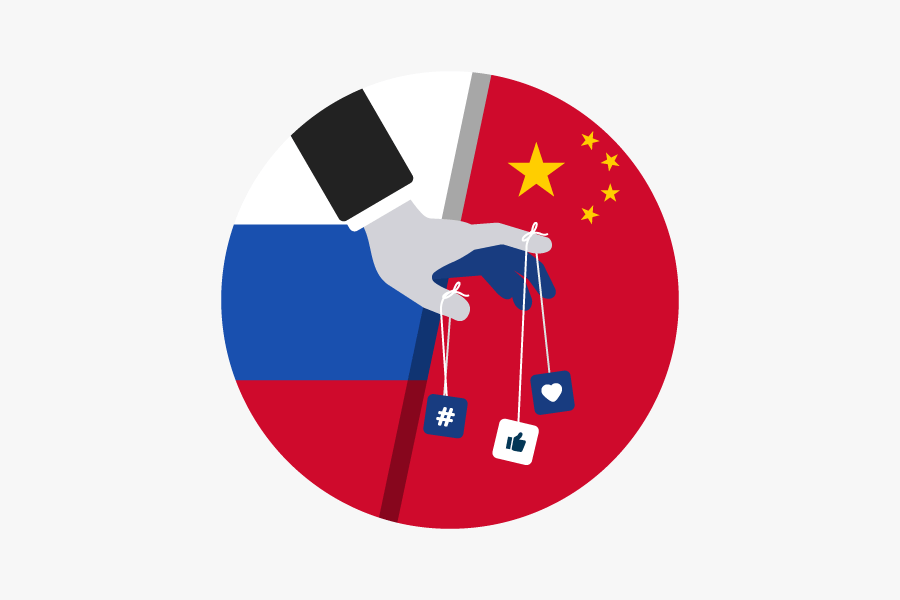
Additionally, social media has led to a decline in political tolerance hence affecting the democratic orders. Such distortion of democracy was manifest in the online hate speech against Taiwan’s president. Furthermore, the involvement of Chinese ‘online groups’ or cyber operatives boosted Taiwan’s insurgent candidate. This reminds of stories about the manipulated elections of USA 2016 when Donald Trump took office as the President.
Fake news and propaganda are widespread through social media
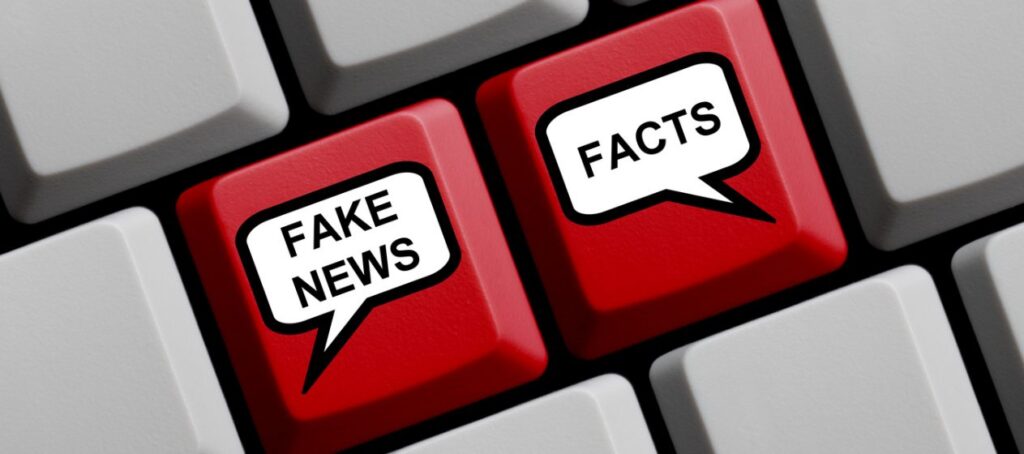
Moreover, the flow of fake information in form of news has undermined the democratic processes which have impacted decision making negatively. The false claims of India on Pakistan over Kashmir in February 2019 led to many insurgencies in India against Muslims. Consequently, this resulted in Narendra Modi’s second term of becoming the Prime Minister of India.
Exploitation of human rights via social media is an attack on democracy
To add more to the damage, micro-targeting, and trolling on social media platforms has violated human rights. As a result, this has exploited the freedom of speech which is a constituent of democracy. The ‘patriotic trollers’ of Rodrigo Duterte, Philippine President, is a classic example of how different stakeholders exploit human rights to fulfill political agendas. Evidently, this exploitation takes form in cyberbullying, trolling, and harassment.

Religious discrimination and hatred have undermined democracy
Furthermore, religious discrimination has become deeply rooted against Muslims around the world. Social media is used in India to spread hatred and disinformation against the Muslim population. Populist and extreme nationalistic rhetoric is spread to win the confidence of Indian masses for power. As a result, religious discrimination exploits one of the most important constituents of democracy.

Way Forward
It is evident that social media is a double-edged sword. Evidently, it can benefit as well as harm democratic orders around the world. However, it is important to realize that the public must be made aware of the power and influence dynamics of social media. The following steps suggest some solutions to ensure that social media is safe for democracy:
- Social media platforms must ensure strict checks and control on the flow of information.
- The onus of spreading the correct and factual information to the masses must be on mainstream media.
- Awareness must be there for the public to ensure the controlled sharing of unverified information. This also implies that the government must train the public to be able to verify any information that they receive on social media.
- The government must introduce a mechanism to treat fake information and disinformation with responsibility.
- Social media platforms must filter offensive, derogatory, and humiliating content from any kind of campaign especially with political agendas.
Conclusion
To conclude, on one hand, social media has the power to prevent a military coup, while on the other hand, it proves to be manipulating public opinions to undermine democracy. However, it is solely on government and the public to make social media a tool to promote democracy by employing effective measures and keeping a check on the flow of information in the country.


