

Our society has really specific ideals of beauty.
Tall, dark, and lean.
Slim, fair, and pretty.
It clings to these ideals like a fly trapped in tar – unchanging, immovable, and attached till eternity.
But beyond specifics, these adjectives all echo the same thought:
We want perfection.
Anyone less than that is given a skeptical look-down and an uninterested, “Theek hi hai bas.”
It is this constant pressure of reaching the beauty apex that makes people lose their sense of security. And when they lose that cozy, comfortable lining that shields them from the world and its judgments, they’re left exposed.

To cope, they strive for acceptance.
First, they use filter upon filter upon filter.
Then, they stop going out in public to avoid chastising haw-hayes.
In the end, they are forced to conceal their conditions to not see the disgust on unknown faces.
And that’s not okay. In fact, it’s highly problematic.
I developed a severe sun allergy in my 2nd year of university. Going into the sun, even for five minutes, led to inflamed, reddened rashes cropping up on my face.
No one called me ugly or shamed me publicly. But I could see the quizzical looks on their faces.
Looks that ranged from “Did she do really bad makeup?” to “What’s wrong with her face?”
But, this is just one skin issue out of so many.
Psoriasis. Cystic Acne. Eczema. Rosacea.
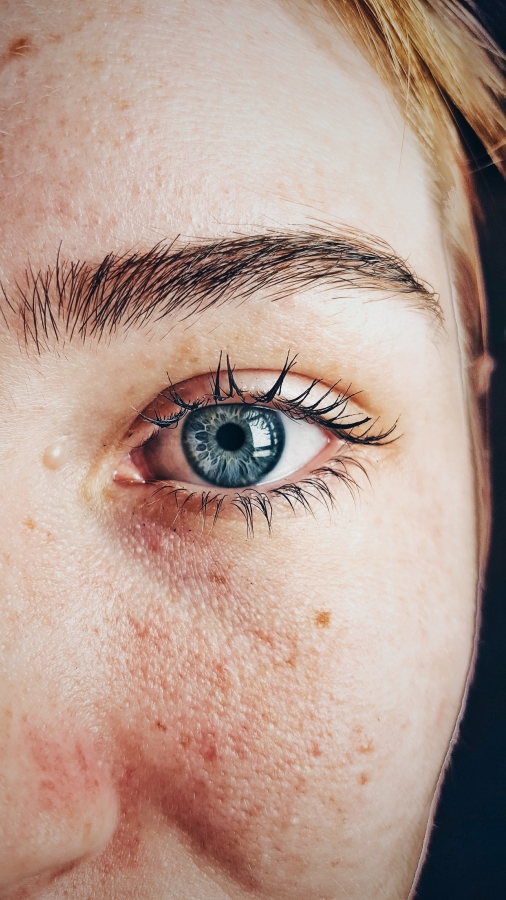
Indeed, these science-y words don’t sound pretty. But that’s all they are: words.
Words that define a condition, not a human being. And words that definitely shouldn’t be used to shame an individual.
“Don’t you wash your face in the morning?”
“You should drink more water.”
“Dude, moisturize!”
Such unsolicited advice is hilariously redundant because the person living with these conditions worries more about them than another ever would.
They undergo painstaking cycles of frightful Google searches, countless dermatologist visits, and expensive medications that rarely work.
Clearly, they don’t need constant reminders of obvious issues.
Instead, they need normal conversations without funny looks or underhanded taunts.
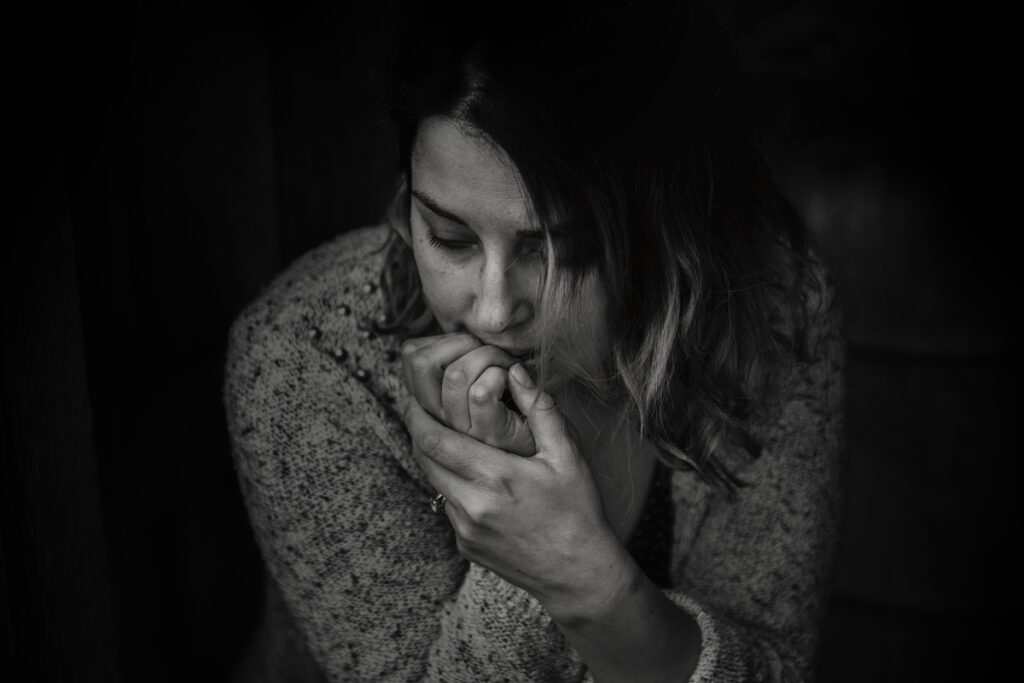
Have you ever bitten your nails? Fun fact: Nailbiting isn’t just ‘a nasty habit.’ More often than not, it is a coping mechanism for anxiety.
That means your friend’s short, grubby nails aren’t so because they don’t know how to “maintain” themselves. It’s because their brain treats stress like an unwelcome critic instead of an encouraging friend – it just can’t take it.
Women with shorter nails are more often mocked than their male counterparts – they don’t have the dainty, beautiful hands clutching the soap in Lux ads.
The frivolity of the issue compared to how big a deal some aunties make it reminds me of Star Plus shows and their exaggerated saas-bahu drama.
What started as an anxiety-coping mechanism can ultimately transform into an impulse-control disorder, occurring even in the absence of stress.
And mental conditions, like physical ones, are no joke.
But, societal judgements make life even harder for those undergoing painful, chronic conditions.

52% of Pakistani women are victims of Polycystic Ovary Syndrome (PCOS), a hormonal disorder that causes irregular menstrual cycles and excess male hormone production. However, you’ll encounter very few willing to admit to the condition.
That’s because they are afraid. And for good reason.
If left uncontrolled, PCOS may bring with it problems of fertility, miscarriage, and pregnancy-induced complications. In fact, in a country where a woman’s worth is often limited to her child-bearing ability, PCOS could derail their lives.
Instead of seeing them as ‘bechari spinsters,’ society needs to see them as, well, human.
Humans who aren’t “suffering” from a disease, but living in a body that just works a little differently.
Our fundamental problem is that we eye things from a binary perspective: This is beautiful, and this isn’t.
This is normal, and this isn’t.
And maybe that’s okay when deciding which phone to buy, or whether to get pineapple on pizza. But in terms of human beings, it’s dangerously ignorant and profoundly foolish.
Because, in a species where identical thumbprints are an impossibility, how can you successfully define an unflinching normal?
At the end of the day, ‘normal’ is what is generally accepted. And that’s why the fear of social ostracization among brave survivors isn’t their fault. It’s ours.
And there’s a way to fix that.


One thought on “Having a Condition Isn’t Disgusting. It’s Normal.”
This needs to be shouted out to the worldd!!