

Introduction
Taking care of your health as a university student is pretty hard. With all the assignments, tests, quizzes, and projects, long-term health is the least of our priorities. Well, it doesn’t have to be! You may have heard of the blue zones. The five places in the world, discovered by Dan Buettner, where people live longer than average and lead healthier lives: Okinawa, Japan; Sardinia, Italy; Nicoya, Costa Rica; Ikaria, Greece, and Loma Linda, California. You might think that residents of these Blue Zones must devote a lot of time and energy in taking care of their health; going on crazy diets, exercising for hours, and what not. Good news for you…they’re not. In fact, the simple changes that you can incorporate in your life, inspired by residents of the Blue Zones, require next to nothing and will fit right into your hectic university schedule.

Moving Naturally
Residents of the Blue Zones don’t exercise purposefully. They have movement built into their daily life. They garden, regularly walk long distances to work, habitually climb stairs, and don’t rely on mechanical conveniences for house or yard work. As IBA students, walking long distances between buildings and cafeterias is inevitable. Let’s face it, we all dread rushing from Adamjee, at one corner of the campus, to Aman, all the way in the other corner, in between classes. But that long distance is actually increasing our steps for the day! So, the next time you’re off to the library to get some studying done, consider sitting on the first floor rather than the ground floor, just so you can climb a few stairs. The undoubtedly superior view of the whole library from up there is definitely a plus point.

Knowing your sense of Purpose
Called “plan de vida” by the Nicoyans, and “Ikigai” by the Okinawans, people in the blue zones have a clear understanding of their purpose in life. They know why they wake up in the morning. Research has shown that having a sense of purpose makes a person resilient to stress, drives healthy behavior, and can therefore add up to seven extra years of life expectancy. So, the next time you’re wondering why on Earth you’re waking up for an eight-thirty class instead of just sleeping in, consider answering that question. Knowing your “why” will actually help you perform better in all your classes and feel more motivated.

Stress Relief
Stress is one of the causes for every major age-related disease including heart disease, diabetes, Alzheimer’s disease, and obesity. Even people in the blue zones experience stress, but what’s different is that they have routines to deal with that stress. For Ikarians, that means taking a nap while the Adventists living in Loma Linda pray regularly. As the semester starts so will the worrying about assignments, quizzes, projects, and tests. In such stressful moments, with people of the Blue Zones as a guide, remember to pause and take out some time for yourself. Whether it be a quick nap on the library sofas or lunch with your friends at chemistry canteen, anything that releases stress is crucial for a long, healthy life.
Community
IBA provides a community for every person. From societies’ events to chatting with your friends in between classes, the opportunities for socializing and revamping that sense of belonging are endless. Similarly, residents of the blue zones are either born into or choose tightly knit social circles. Okinawans for example create “maois” – groups of five friends that commit to each other for life. Many studies have linked socializing and close, healthy connection with the people around you to long term health. On the flip side, people experiencing prolonged loneliness were found to have a 14% higher chance of death. Who knew that lounging around with your friends in the cricket ground or even making some noise in the library was increasing your lifespan!

Plant Based Diet
Although not all the people living in the blue zones are strictly vegetarian, they do tend to eat less meat – an average of five times a month. 95% of their diet is plant based, consisting of vegetables, legumes, whole grains, and nuts. Such a diet can significantly lower the risk of death from heart disease and cancer. Combined with a healthy diet, nuts especially help in reversing metabolic syndrome; it might be a good idea to munch on some nuts while you’re cramming for a test or rushing to class. And if you’re in the mood for lunch, Adamjee Cafe has some pretty delicious vegetarian options available as well.

80% Rule
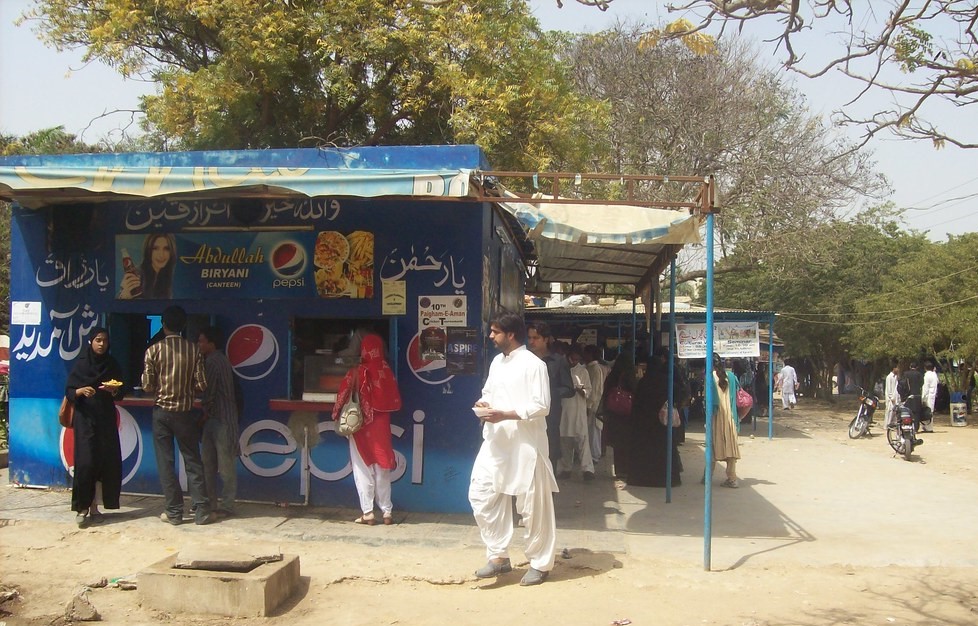
Back to back classes often leave little time for meals. Well, according to residents of the Blue Zones, you shouldn’t be eating a lot anyway. The Okinawans live by the saying “hara hachi bu” – eat until you’re 80% full. This helps them in eating fewer calories, something that is common amongst people living in the blue zones. A 25-year study in monkeys found that eating 30% fewer calories than normal led to a significantly longer life. Thus, long term calorie restriction, prevalent in the blue zones, may aid longevity. You might want to think about that before buying your second plate of biryani at the SC Cafe.

Conclusion
Adopting these simple lifestyle changes could add many years, health and vitality to your life. Even during the hustle and bustle of university life, these changes aren’t difficult to incorporate as they can fit right into your schedule quite easily. You might be doing some of these already!


4 thoughts on “Hack into Longevity: A University Student’s Guide to a Longer, Healthier Life”
Quite enriching! Really love your writing style👌👌👌
thankyou so much!!!
This was a very well written article, this goes to show the journalistic talent of iba’s students.
thankyou!