

Disclaimer: The following article heavily mentions violent events that some readers might find triggering.

After an unprecedented year, everybody welcomed 2021 with much optimism. Another year characterized by the same callousness, harshness, and brutality, we eagerly wanted to forget from the previous decade. The recent merciless attack on innocent Shia Hazara coalminers was another event of a traumatic genocidal timeline. Gunmen belonging from an unknown-yet quite familiar-entity violently killed 11 Hazaras in a targeted operation. Those who managed to preserve a sliver of humanity condemned the atrocity. But, the actions-or lack thereof- of governmental bodies were downright shameful, cruel, and political. Statements released by the Prime Minister unsurprisingly complemented the nature of a country that has consecutively disappointed the community.
Genocidal chronology
Regrettably so, the premier is not the first one to have dispelled the alarming concerns of the marginalized community. The Mastung Bus Shooting of 2011 was an incomparable barbarity. 26 Shia Hazara pilgrims were victims of a conscious and deliberate shooting. In spite of it, former Balochistan Chief Minister, Aslam Raisani, thought otherwise. He found the predicament to be amusing, claiming he’ll “send them a truckload of tissue paper to wipe their tears”. If distributed on a timeline, observers might witness a range of adversities. From hospitals to mosques, to religious processions, to even residential areas, militants massacred Hazaras wherever they deemed convenient. Hereinafter are only a few of the most gruesome attacks on innocent and peaceful Shia Hazaras.
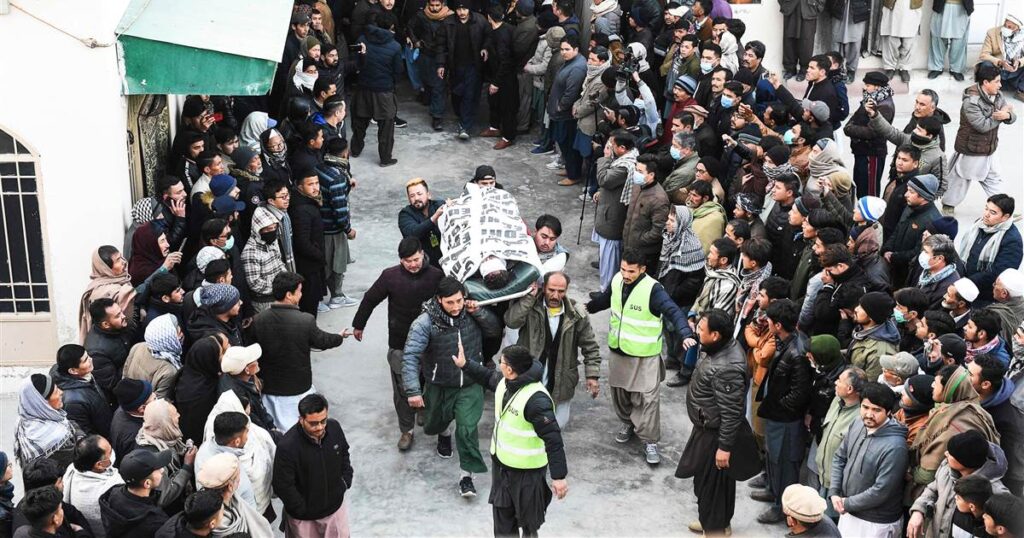
Muslims hold Friday as a sacred day marked by contrition, but the one Friday of 2003 held a different ambiance. A sacrilegious bombing of a mosque in Quetta killed fifty-five Shia Hazaras in prayer and injured a hundred and fifty. The prior month bore witness to the murder of twelve young Hazara police cadets. A bombing during the peaceful rally in solidarity with Palestinians in 2010 killed 73 people, leaving countless injured. Traditionally, Eid is a jubilant occasion but the bereaved families of the 2010 Hazara Eid Gah bombing did not experience it. The suicide bombing martyred 13 while left 22 gravely hurt.
Lashkar-e-Jhangvi
The government and establishment refuse to make a distinction or recognize the disparities between Shias and Sunnis. Even after the infamous militant group- the Ahle Sunnat Wal Jamaat (ASWJ) sent an explicit letter to the Hazaras. The letter labeled Shias as apostates as a result they became their prime target. Additionally the Sunni extremist group, Lashkar-e-Jhangvi has explicitly claimed responsibility for most of the targeted attacks.
An explosion ensued with uncountable rounds of firing at a Tenth Muharram Procession in 2004. A sectarian-based bombing killed sixty people while critically injuring more than a hundred. Lashkar-e-Jhangvi claimed responsibility. The targeted killing of Agha Ghulam Ali, owner of the eponymous juice outlet, took place in 2007. Ghulam was 25 and his wife was expecting. Lashkar-e-Jhangvi claimed responsibility for the attack on him and previously on his father in 2002. Similarly, the killing of a Shia banker in Quetta in 2010 was the first of two consecutive attacks. A suicide bombing took place at the Quetta Civil hospital where the body of the deceased was taken. The bombing took the lives of 12 innocent civilians including MNA Syed Nasir Ali Shah. Lashkar-e-Jhangvi claimed responsibility for the scarring event.
Bleak 2013
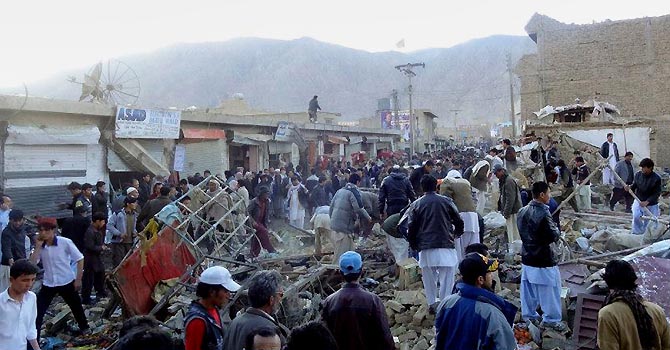
Also important to mention is the series of bombings that took place minutes apart in January of 2013. The four reverberating, catastrophic bombings affected the highly populated Hazara neighborhood at Alamdar road. Consequently, hospitals were overflown with 115 casualties and were catering to more than 270 wounded inhabitants. Lashkar-e-Jhangvi claimed responsibility for what was the worst attack of the decade. A month later, an intimidating bomb at Hazara town killed 73 Shia Hazaras, leaving 180 injured. Lashkar-e-Jhangvi claimed responsibility. One would assume enough bloodshed had eclipsed over the Hazaras, but unfortunately, it was not the case. During June of the same year, another Hazara settlement was attacked with a fatal explosive device, killing 33. Lashkar-e-Jhangvi claimed responsibility.
It is embarrassing to elaborate how the attacks took place even after imposing Governor Rule in Balochistan. The transfer of power by the then Prime Minister emphasized the role of the governor as solemn Chief Executive of the province. This feeble and minimum effort was made to maintain law and order and prevent any targeted terrorist activity within the fortified city. But the establishment yet again failed to provide security and comfort to the perpetually mortified Shia Hazaras.
Absence of justice
Not cordoned and vulnerable, Shia Hazaras are susceptible and have been victims for an alarmingly long time. But the lack of accountability, governmental dissociation from all responsibilities have prevented the community from getting the treatment that they deserve. Whether it was the 2021 massacre or the 2013 bombings, none of the culprits have been caught, tried, and punished for their crimes. Shia Hazaras have been stranded, abandoned, and betrayed. Their display should not be romanticized as resilience nor should it be taught as the epitome of patience. Rather it is the complete and utter look of hopelessness and despair.


