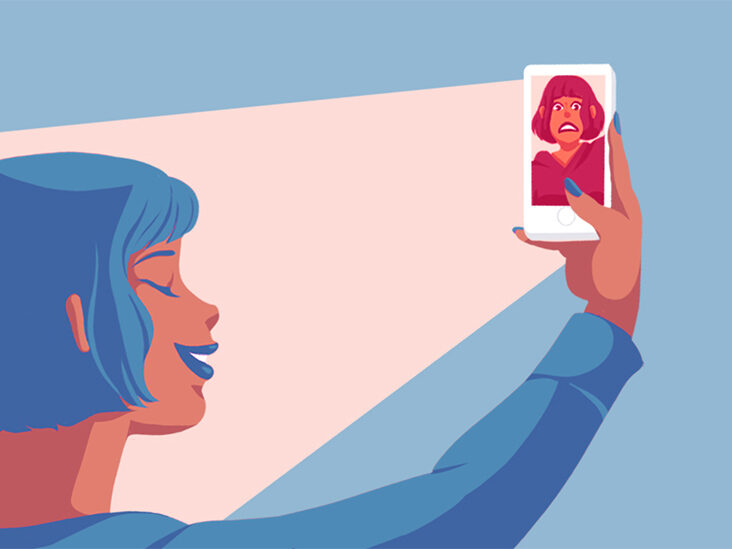

The Depression industry is a billion-dollar industry. The problem is revenue isn’t coming from anti-depression pills but instead from the ad revenue of Meta and Twitter. Open any social media platform and the comments like ‘us’, ‘sem’, and ‘me’ are all around you. Social media identities constructed to give the impression of contented and ideal lifestyles are so 2015. 2022 is about being depressed online.
JOMO:
We all have heard about FOMO, but there is always to every action an equal and opposite reaction and we discovered JOMO-The Joy of Missing out! This phenomenon is a counter-narrative to the ‘Motivational Speakers’ and the trendy #positiveVibes culture. And let’s call it the ‘Demotivation phenomenon’. We couldn’t cope with FOMO, so we developed JOMO!
The person behind The Toota hua saaz hu main meme, Shazy, has an average of 700k views per reel. That’s some fiery statistics, right? Because that person brings JOMO. Everybody is sad, even the person standing right beside you cracking a joke will share a sad post on FB at that very moment.

Online depression has become a tool to use to fit in ‘cool’ groups and make friends. In 2022 if you aren’t sad you aren’t cool enough to be part of a great social circle. Do you want friends? Be depressed. There is no way you aren’t having problems in your life if you are you deserve to be alone.
The exciting part is you do not need to have actual problems you just have to pretend. To fit in your social circles you must pretend to have problems with every teacher and have a CGPA of less than 3.00. Boast your problems even if they don’t exist. How can you be alive if you have everything going smoothly? Open Facebook and you will see all your friends in the worst phase of their life. Even ones with a CGPA of 3.89 and deserve a DC for PDA at the campus as of Student Handbook 22.
Let’s Get Serious:
By now you must have thought of suing me. As I am not being considerate about the mental health issue, and understand that everybody got their life problems. But the problem is ‘At the age of 19, Quratullain of North Karachi isn’t supposed to be having her 3rd breakup’.
The main point of this article is to point out how this being cool stuff is affecting the real and legitimate issue of mental health, and how social media molded a much-needed movement into a joke. The irony is we being rational, educated and having a basic understanding of the sensibility of the issue never knew what we were doing. We didn’t understand the dreadful impact our twice-clicked shared post had in the long run.
The Paradox of the Depressed in 2022:

It’s a dilemma. Those having actual mental health issues go on to glamorize the stuff they watched online. They set that as a metric to measure the density of the issue, which is completely absurd. While the person having no issues at all and just trying to keep up with the trends also watches and shares the same content, and acts in the same way. This leads to creating a situation where the patient isn’t able to see any disparity between him and the masses. This brings a delay in the diagnosis process, which can be deadly for the depressed person.
Even inside ourselves, the distinction between authenticity and performance has become increasingly hazy. While sharing our disturbing feelings online may seem more authentic, but it may also be a new method to gain social validation. This cool trendy stuff has made the line blurry between depression and social validation.
According to Pew Research poll, 7 out of 10 teens believe that sadness and anxiety are the main issues that their friends are dealing with.
The Adverse Effect & The way to Go:
Fortunately, conditions are far better and facilitate speaking freely about mental health issues. However, the popularity of depressing internet culture might result in inaccurate self-diagnosis and the unintentional trivialization of serious conditions.
None of us consciously volunteered for this. Things are complex and worsening, however, what has led us to this may also help us correct them. A change in our approach toward social media culture can be a solution. A critical approach toward our own behavior and being conscious of our doings online can turn the tide. Stop romanticizing depression, anxiety, crisis, and sad life. It’s not beautiful at all. It is traumatizing to be in a mental/physical crisis, and I bet:
when the crisis is real it’s never funny!


