

“Beta kitni moti hogai hou!!”, “Arey yeh tou itni patli hai ke hawa chalegi aur yeh urr jaegi!”, “Itne patle? Beta ghar mai khana nahi milta kya?”
You might have heard remarks like these from someone, be it a desi aunty, who makes it her life mission to offer unsolicited advice and opinions to anyone and everyone, or that one “friend”, who “jokingly” hurts all your sentiments.
If you have been at the receiving end of these remarks, then you also lie amongst a whopping 94% of women and 65% of men who have reported experiencing body shaming, according to body shaming statistics.
BACKGROUND AND HISTORY:
Body shaming is essentially the act of mocking a person’s physical appearance, be it their weight, height, or facial features. This can be traced back to the Renaissance and the Victorian era in ancient Greece. During that time wealth, inequality caused larger bodies and fair skin to become the standard of beauty. A fairer, larger physique symbolized the wealth of a person, who had access to food, and didn’t really need to work on the land. Since food costs have been reduced, body type is no longer attached to wealth. While the underlying causes may have changed, body shaming still continues to exist.

While the underlying causes may have changed, body shaming still continues to exist.
BODY-SHAMING IN PRESENT TIMES:
The level of acceptance for differences has always been low, but this is particularly obvious when it comes to one’s appearance. Glorifying certain physical features has caused us to develop these stringent standards of beauty, to whom very few people actually appeal. It is these standards that have become the basis of discrimination. Anyone who isn’t the ideal weight, height, isn’t fair, finds themselves to be body shamed.
The widespread use of social media has made it even worse. It has led people to compare themselves with one another, ignoring the access to certain privileges that the other party may have, such as access to cosmetic procedures, nutritionists, and trainers.
These comparisons and expectations prove to be severely detrimental to a person’s mental, physical, and emotional well-being, as they can cause one to have low self-esteem, and can lead them towards depression, body dysmorphic disorder, and eating disorders.
BODY SHAMING IN PAKISTAN-RECENT DEVELOPMENTS:
Bringing this issue down to a national level, body shaming is quite prevalent in Pakistan as well. With people jokingly making remarks about your appearance in family gatherings and functions, it is no wonder why this issue is something so important, something that needs to be addressed.

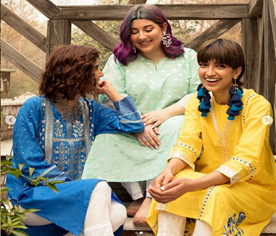
However, people all over social media are now advocating for body positivity. Celebrities are sharing their thoughts about this too, through posts that aim to normalize struggles regarding one’s body image. In fact, even brands are speaking up. Khaadi’s latest campaign features models of all sizes to represent body positivity, and the acceptance of the fact that all bodies are beautiful.
CALL TO ACTION- HOW WE CAN PLAY OUR PART:
I want you all to know that these recent developments are just the beginning. If we truly wish to see a long-term impact, we need to become a part of this. We need to play our part. How we aim to do so is by creating awareness and spreading body positivity through our Facebook page, “Say no to body shaming.”

You can play your part too, by supporting this initiative.
I urge you to stand up. Stand up when you see anyone being ridiculed because of how they look. Speak up when you witness people jokingly make hurtful remarks about someone’s body. Speak up when people make remarks about YOUR appearance. Stand up for yourself, for others. Be the change that you wish to see!


