

The advertisement industry relies upon using clever tactics to increase sales of a certain product. These include manipulating the advertisement’s reality and making an unconscious need for that product in the viewer. Therefore, the stereotypical portrayal of women in Pakistani advertisements normalises inequality women face in the wider society. Moreover, they also promote troubling attitudes regarding women’s domestic roles, beauty, and authority.
Jahan Maamta Wahan Dalda
A popular myth in the local Pakistani context is the domesticated role of women. Since the role of a good wife is not only to do daily housework chores and serve her husband. But also to take care of her extended family. This is an idea resonating in the advertisement as well. The young girl, prepares for her role as a ‘good’ and ‘compliant’ wife for tomorrow. This is achieved by the final shots of the advertisement. Where, the visual sign connotes the entire family feeling proud and joyous about the young girl serving them. To the viewer, then, this is normal; gender roles are defined at an early age.
The sooner children are prepared in this i.e. serving their extended family, the better.
Diamonds are a Girl’s Best Friend
The diamond holds importance here as a metaphor for beauty. The connotation, here, is of adding glow and beauty to the product. Moreover, the glow of the diamond connects to Mawra Hocane’s beauty as well. With the other female describing her. Hocane and the diamond are in comparision creating an impact of intense beauty on the part of Hocane; her face is ‘glowing’ like a diamond.
The colour of Hocane’s skin and the words used by the female to describe her suggests that beauty. Thus, her ‘perfect skin’ (made sure by the clever use of post-production and editing) normalises the fact that beauty resides with the most clear and bright of skins. Consequently, the viewer tends to accept this, almost subconsciously. In the local Pakistani context, where racism reigns supreme, especially in villages and low-educated areas, such an advertisement only serves to give precedence to these problematic popular beliefs.
Ice Cream Advertisements and Sexualisation
This ad is filled with sexual innuendos. In the local Pakistani context, a couple’s first night after marriage is a celebration of a very private function. Since there is so much stigma attached to discussions regarding sex, it is, indeed, ‘funny’ for family members to pry into the sexual life of a newly-wed couple. The offering of milk is a popular myth, a part of the society’s customs, to ‘energize’ the couple before a long night of sexual intercourse.
Furthermore, the product itself serves as a sexual innuendo in its own right. Basically, the connotation, here, is on the connection between the ice cream’s colour and that of the wife and husbands’ dresses. The wife wears pink, while the husband wears blue, literally the colour of the ice cream’s packaging. Moreover, the reaction of the wife both during the reveal of the ice-cream and after consuming it serves as a replacement for the shy attitude of newly-weds to intercourse. Furthermore, the way she gets excited about the ice-cream, newly-weds get excited about sex.
How Do These Advertisements Affect Us
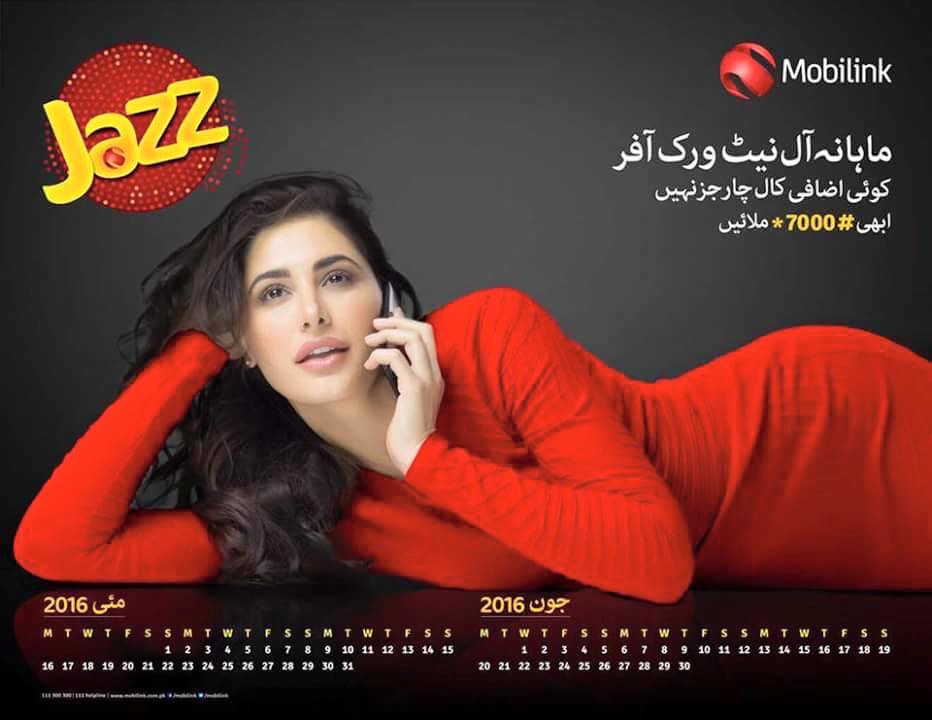
Moreover, the increased sexualization of women in Pakistani advertisements contributes to the problematic attitude towards women on the basis of their physical attractiveness. Additionally, it portrays how, in lieu of talent, physical attractiveness and seduction ability plays a big factor in landing a job. Furthermore, staring at a woman for an extended period of time to ‘admire’ her beauty clashes with the many incidents of sexual harassment reported on a daily basis in Pakistan.
However, the above mentioned advertisements serve to remind us of the problematic narratives put forth by advertisers. These serve to normalise controversial ideas about women. Women are often judged on the basis of their physical and sexual attractiveness, and are considered ‘decent’ only when portrayed working in domesticated roles. In recent years, however, these grand myths about the role of women are no longer in advertisements, with an increased focus on portraying working women and the negative consequences of normalising problematic beliefs.


2 thoughts on “Advertisements and Women – Casual Sexism and Overt Sexualisation.”
Couldn’t agree more, this article highlights so many instances of casual sexism that have been so normalized that we don’t even notice them anymore.