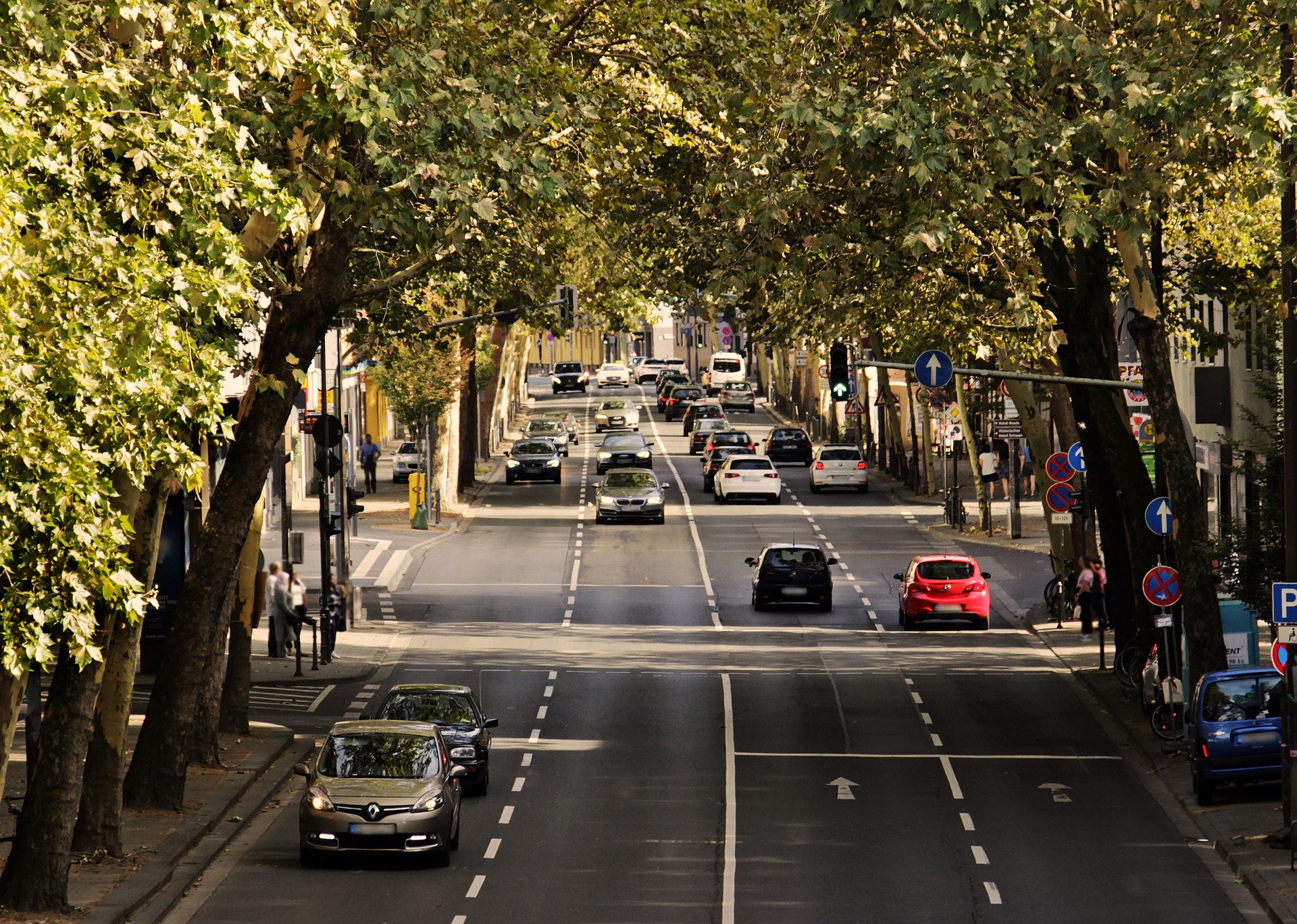

The Karachi transport system does not support the travel of women and there are many reasons for this. Based on my personal experiences, I am highlighting below the problems that women face daily. Whether it’s using my own car or the public transport system.

How the Engine Starts
After my basic schooling till O levels, my main worry became about how I would get to IBA/college. Moreover, what time will I be able to get home? What transport will I use?
When I was in school there was a standard time set out; 7:30 to 2. Not one day was spent in worry questioning my conveyance or, when will someone would be able to pick me up from school today. Looking back at it now that was the smoothest time I had spent, anywhere.
When I got to A levels and especially IBA I had a major daily issue. I really didn’t have a set out time table. This wasn’t a school where every day is the same. Sometimes I have to come early. Sometimes I have to leave late. There are many reasons for this. I try to inform at my house as early but it’s not always possible.
The thing is we don’t give girls access to cars as quickly as we give access to boys. If you’re a boy, then you probably started learning how to drive as early as 13. While most girls can’t even think of touching the steering wheel until the age of 18. By the time I was finally sitting behind the wheel, you had already mastered it.

Using Private Transport
Your road sense was heightened, your navigation skills were on par, you could parallel park like a pro. When you turned 19 and entered university life your dad gave you his old car. Finally, the boy can go to the market and buy groceries. If you were one of those super lucky ones, you got a car of their own. Regardless, you taking the car out for a spin was something of the norm in the household. You could transport yourself anywhere and anytime.
Your parents didn’t really care that you had the car as long as waapsi mein dhaniya podhina agaya. (You brought coriander and mint on your way back). By the time I turned 19 I was still begging my father to give me some of his time, so I could learn how to drive.
Usually, boys take the car out for a spin late at night and slowly learn how to drive. Comparatively, girls can’t step out of the house after dark alone. So, while you received increased liberty, mine decreased in comparison.
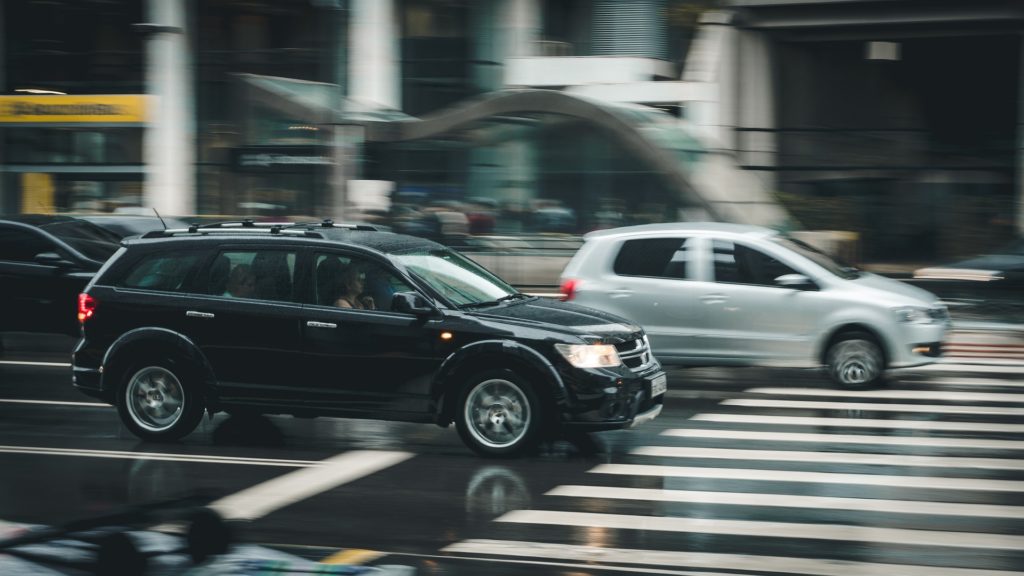
Now the woman is all grown up she has gotten her hands on her brand new shiny license. Finally, she manages to get her hands on a car, but now, other issues have risen up. She takes the car out for a spin and as soon as the wheels touch the road she is welcomed with stares and comments.
The Question on Everyone’s Minds
You know that feeling when you’re solving a paper, minding your own business. Out of nowhere, the invigilator comes and just stares at your paper. You start panicking, what am I doing wrong? Suddenly, you doubt everything you’re doing. Even if your performance is okay, you’re filled with so much self-doubt.
That’s how a woman feels. When you stare at her incessantly. Kia karrahi hai, sahi gaari chala rahi hai ya nahi, gaari automatic hai ya manual. (what is she doing, is she driving right or not, is the car a manual or an automatic).
Why does someone else’s driving habits bother you so much? Why are you so curious about her transport?
Fun fact: telling a girl that she drives better than what most women drive like is not a compliment. Please stop.
Public Transport and Women
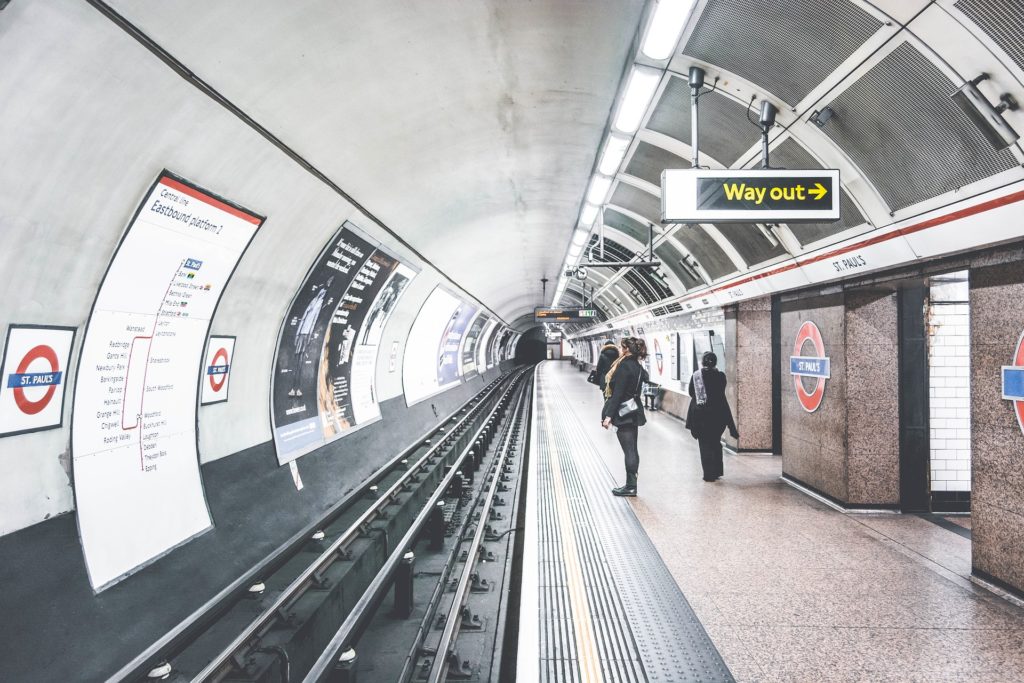
Other than this, girls face a lot of harassment in public transport. Whether it’s the public bus or a Careem. Ask any female you know if she’s felt unsafe in a car that was not hers. There is a 70% to 80% probability that her answer will be yes.
The right to education is basic and universal. Everyone should be able to get a decent education. However, the question is; how will I get to my classroom.
Not everyone has the luxury of a personal driver or their own car. Eventually, it will be up to us as a society to be more understanding towards women. Furthermore, we have to be more equal in the way we raise our sons and daughters. Besides, learning how to drive is a basic skill set. Your loved ones should be able to drive themselves, otherwise, what will they do in the case of an emergency. Wait for the Careem to come as the clock ticks?
How did you learn how to drive? Do you see these biases in your daily commute? Comment below!


One thought on “Transport and Women: The Hidden Biases on our Roads”