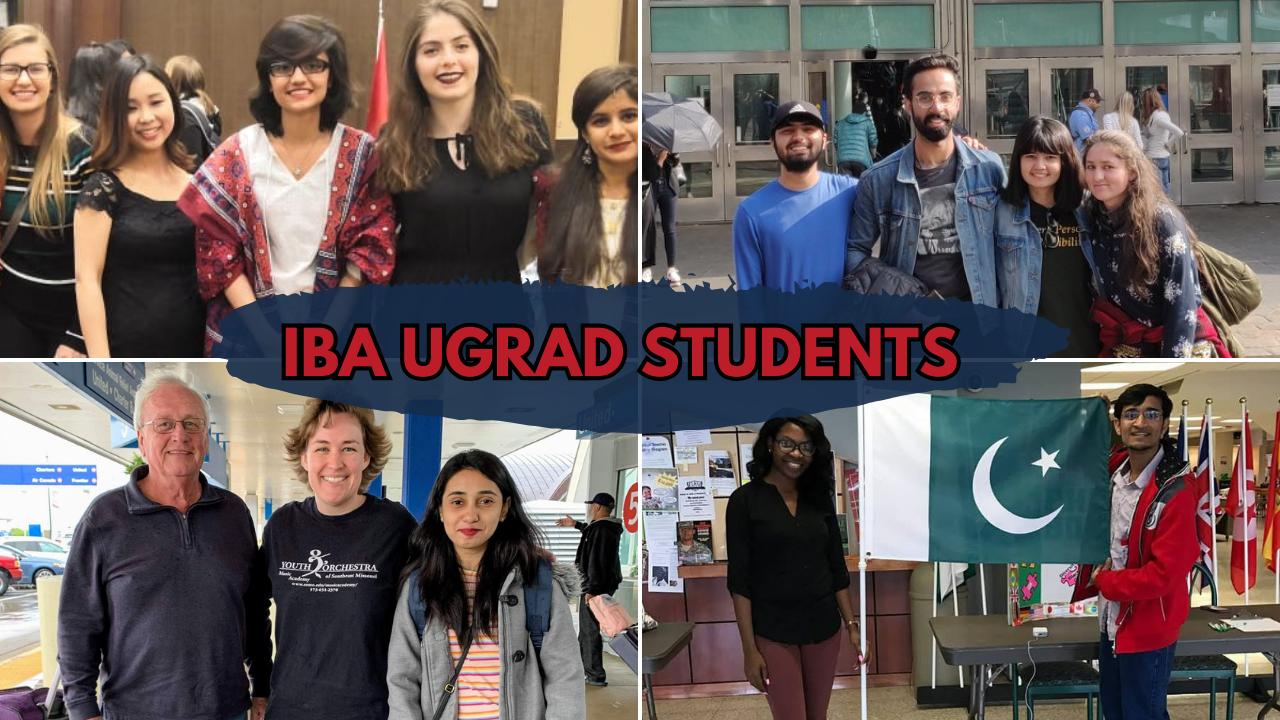

In a move that marks the end of an era, the United States Government’s prestigious Global Undergraduate Exchange Program (UGRAD) has officially been discontinued in Pakistan. This decision follows significant funding cuts to USAID programs, initially set in motion during the Trump administration. These cuts have now taken effect, thereby ending one of the most valued exchange programs for Pakistani undergraduates. Consequently, the termination of the UGRAD Pakistan Program closes a crucial chapter in academic diplomacy.
For IBA Karachi, the end of UGRAD carries a particularly poignant weight. Annually, IBA students competed with the brightest minds across the country for a coveted spot in the program. Consequently, IBA proudly saw its students walk the halls of American universities, bridging cultures, challenging stereotypes, and returning with stories that inspired their peers and the broader IBA community, as shared by an IBA alum in this article.
UGRAD Program is more Than a Semester Abroad
Launched in Pakistan in 2010, UGRAD wasn’t just an academic program. It was a transformative experience. Students from middle-income families, many traveling abroad for the first time, immersed themselves in American classrooms. They got the opportunity to volunteer in communities, build lifelong friendships, and return home with broadened perspectives.
For IBA students, the program often became a catalyst for future success. Alumni of UGRAD have gone on to win Fulbright and Chevening scholarships, land leadership roles in multinational companies, launch startups, and even enter public service. The exposure to a global learning environment didn’t just polish resumes—it shifted mindsets.
What Does the End of the UGRAG Program Mean for Pakistan & IBA
With the curtains drawn on UGRAD, a void has been created in Pakistan’s academic exchange landscape. No current alternative matches UGRAD’s accessibility, diversity, or impact. For a country where opportunities for international exposure remain limited for undergraduates, this is a heavy loss. The fact that the UGRAD Pakistan Program Ended without a clear replacement raises questions about the future of student mobility and diplomacy.
At IBA, the repercussions will undoubtedly ripple across generations of students. As a result, fewer students will now have the chance to represent Pakistan on global platforms, engage in intercultural dialogue, and return with ideas that help shape classrooms and policy debates. Indeed, the loss is not just academic—it is diplomatic, personal, and deeply cultural.
A Call to Action
In a world increasingly divided by borders and ideologies, programs like UGRAD served as soft power bridges. The program fostered mutual understanding between two nations often portrayed as politically at odds. Their end reflects a shift in US aid strategy and a retreat from grassroots diplomacy. Consequently, the UGRAD Pakistan Program has ended; however, its legacy should serve as a reminder of both its achievements and what we stand to lose without such exchanges.
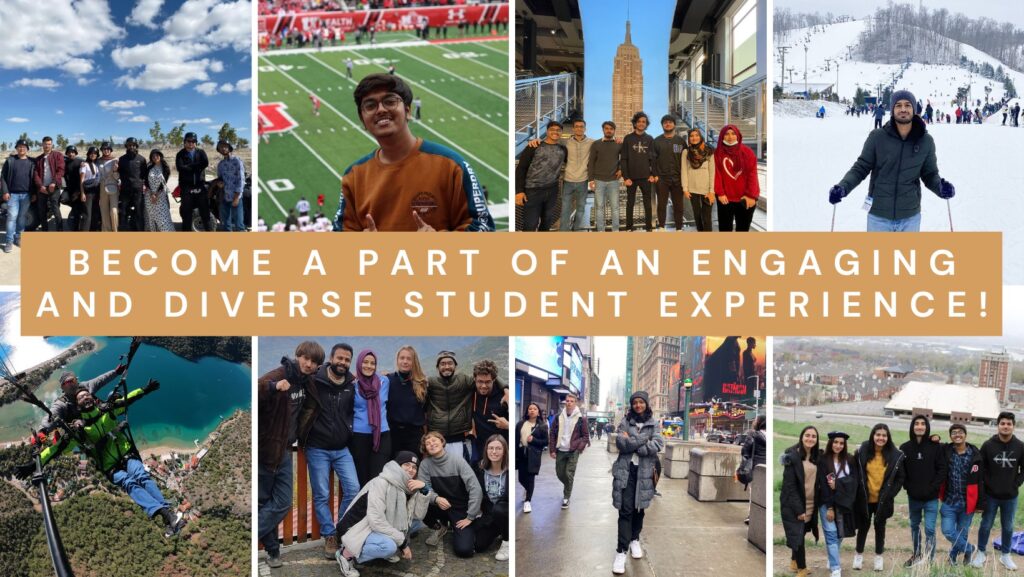
While we at IBA mourn the end of UGRAD, this moment should also push us to advocate for new opportunities. Specifically, whether through alternate scholarships, bilateral agreements, or institutional partnerships, there is a dire need to revive international exchange programs for Pakistani undergraduates.
Because when one door closes, another must be built.


